30 Sep 2026
How Loyalty Schemes Adapt Bonus Structures to Support Hybrid Bingo and Table Game Play on Mobile Platforms
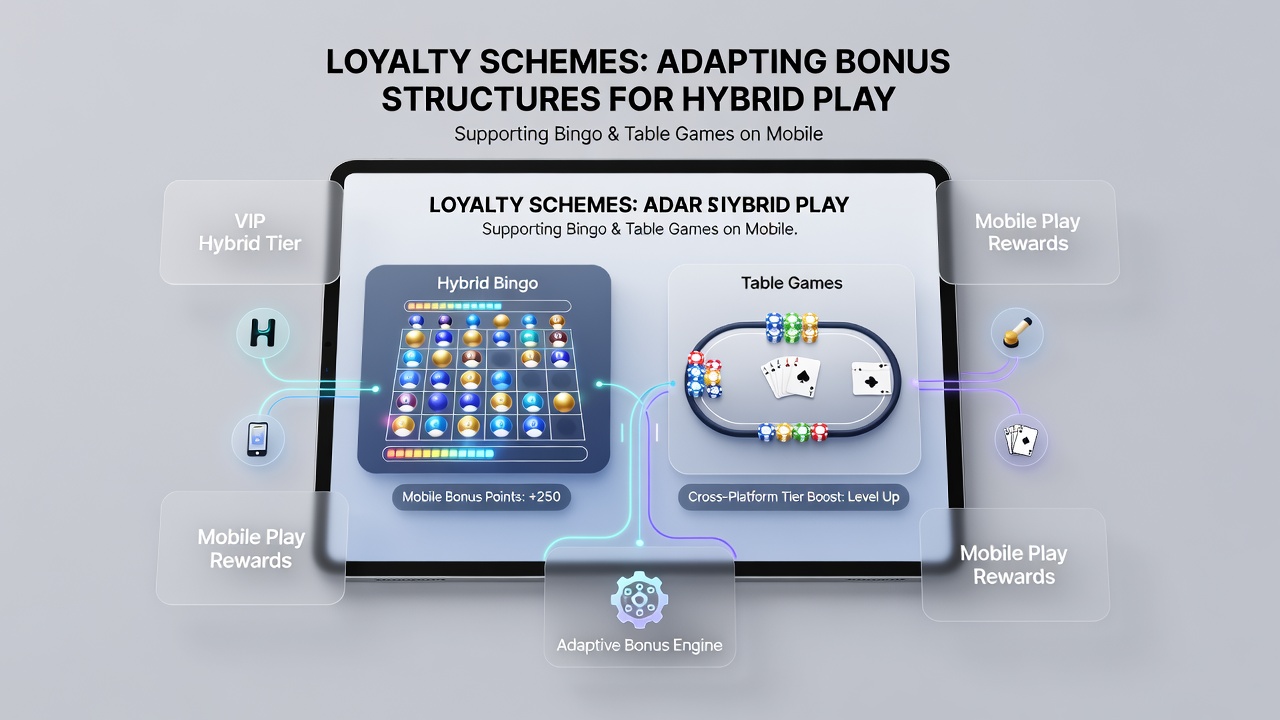
Operators have adjusted loyalty frameworks to reward players who combine bingo rounds with table game sessions on mobile devices, creating point systems that track mixed activity within single sessions. These adaptations allocate base points differently for bingo participation compared to table game wagers, then layer additional multipliers when both formats occur consecutively on the same device.
Point Allocation Across Game Types
Research from industry monitoring groups shows that standard loyalty programs assign one point per unit wagered on table games while granting fixed points per bingo ticket purchased, yet hybrid structures introduce crossover bonuses that activate once a player completes a bingo game followed by a table game within a set time window. Data collected across multiple platforms indicates these crossover rules increased session lengths by encouraging transitions between game categories without requiring separate logins or app switches.
Developers integrate real-time tracking that monitors device type and game sequence, so points accrue faster when mobile users move from a bingo lobby into a roulette or blackjack table during the same session. Observers note that this sequencing reward model appears in updates rolled out by several major providers during the first half of 2026, with further refinements scheduled ahead of September reporting cycles.
Mobile-Specific Bonus Triggers
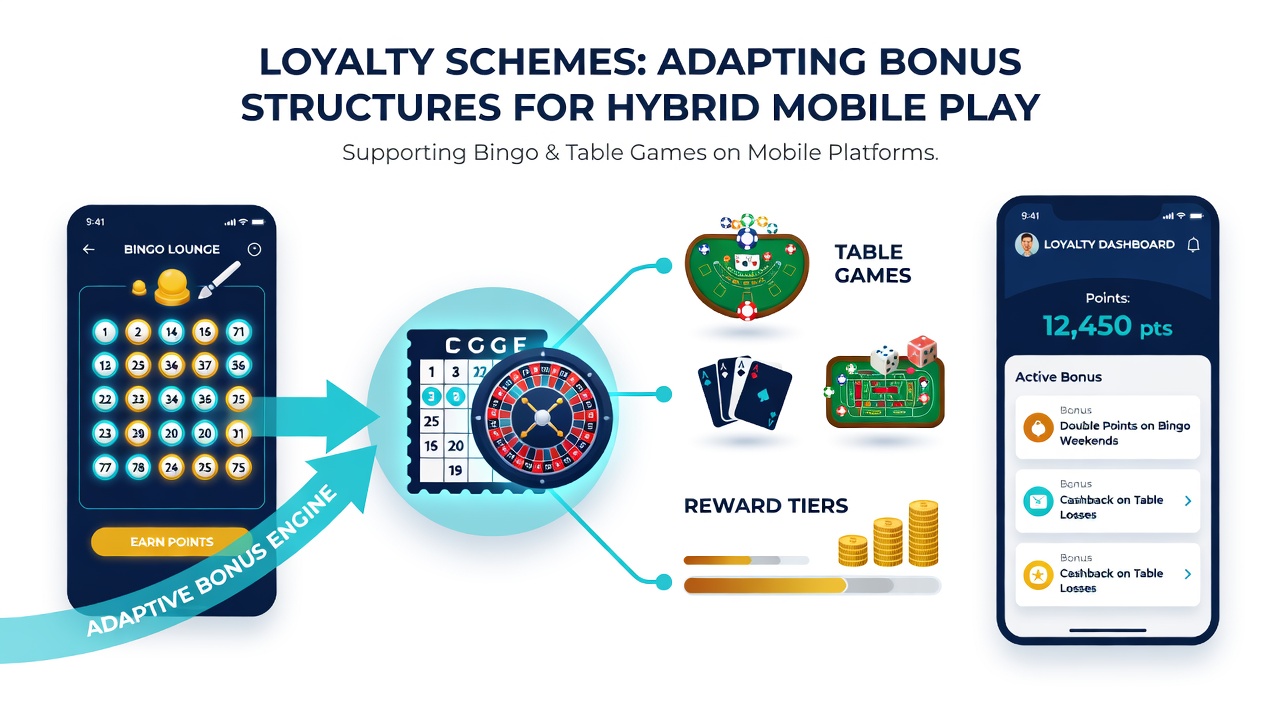
Platforms now embed location and connection-based triggers that detect when players access hybrid features over mobile networks versus desktop connections, unlocking separate bonus pools reserved for portable play. These triggers often include daily mobile-only multipliers that stack with existing loyalty tiers, provided the account logs both bingo and table game activity within 24 hours. Figures released by the Nevada Gaming Control Board highlight steady growth in mobile hybrid engagement metrics through mid-2026, reflecting the impact of such layered incentives.
Integration With Existing Tier Systems
Loyalty tiers previously based solely on total wager volume now incorporate category diversity scores that rise when accounts show regular movement between bingo and table games on mobile apps. Higher tiers unlock accelerated redemption rates for hybrid-specific rewards such as free bingo cards or table game credits that carry lower wagering requirements than standard bonuses. Studies compiled by the University of Nevada Reno Center for Gaming Research demonstrate that diversified activity tracking correlates with longer player retention across tested mobile cohorts.
Operators link these tier adjustments to progressive bonus structures where accumulated hybrid points convert into personalized offers delivered directly through push notifications on mobile devices. The conversion formulas adjust weekly based on aggregate platform data, ensuring the rewards remain aligned with current usage patterns observed in both North American and European markets.
Regulatory Reporting and Data Sharing
Compliance teams submit aggregated hybrid play statistics to oversight bodies including the Australian Communications and Media Authority, which tracks mobile gaming trends separately from land-based activity. These submissions detail how bonus adaptations comply with responsible gaming guidelines while still supporting combined bingo and table game formats. Reports filed ahead of September 2026 deadlines are expected to include expanded metrics on mobile hybrid session composition, providing regulators with clearer visibility into evolving player behavior.
Conclusion
Loyalty schemes continue evolving through targeted point structures that recognize hybrid bingo and table game sequences on mobile platforms, supported by real-time tracking and tier adjustments that respond to documented usage data. Regulatory submissions from multiple jurisdictions supply the benchmarks operators use to refine these systems, while academic analysis supplies additional context on retention outcomes. The approach maintains consistency with established compliance frameworks across regions without introducing new categories of rewards.